Investment Pitch for Pop Mart
I recommend Pop Mart (PM) for long-term investment. Founded in 2010, PM became a leading company (brand recognition, profits, and number of IPs) in an emerging industry that widely commercializes visual art. PM has a thoughtful CEO who is 39 years old, a healthy financial position, and a mature commercialization system.
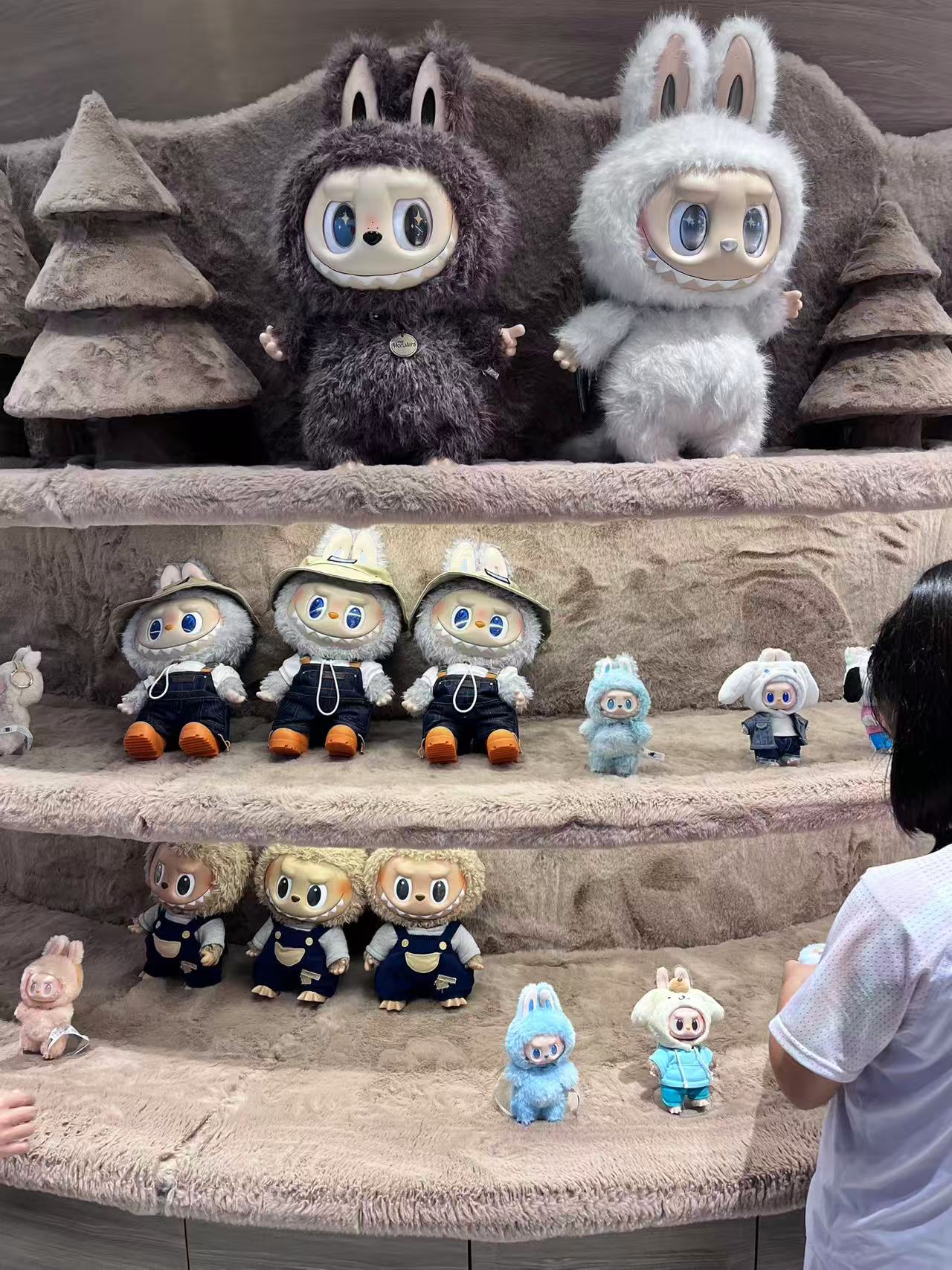
PM develops or acquires IPs, and commercializes them through products. Its top series include MOLLY, THE MONSTERS, and SKULLPANDA, which are trending among young consumers. So far, these IPs have been turned into products primarily through art toys1. PM plans to develop its IPs into films, video games, and theme parks. Here’s an record-company analogy: instead of music, PM targeted then-niche art toys. Artists who made art toys were painters/designers, and sold products themselves on a small scale prior to PM’s entry.
PM’s relationship with other IP-developing combines competition and cooperation. Disney and Sanrio have made their IPs toys, but PM’s toys and theirs are imperfect substitutes. They nonetheless compete for consumer attention. PM has cooperated with Disney and Sanrio, selling products using their licensed IPs. Yet licensed IPs only accounted for 9.1% of PM’s revenue in 2025. PM doesn’t depend on licensed third-party IPs.
PM has developed several commercially significant IPs rather than relying on one character franchise, based on its 2025 results. Though THE MONSTERS accounts for 38.1% of total revenue, other IPs, including Twinkle Twinkle and Cry Baby, grew rapidly from 2024 to 2025. Net profits grew continuously from 2019 to 2025. It tripled in 2024, and quadrupled in 2025. Meanwhile, net profit margin steadily increased from 10.3% to 35.% from 2022 to 2025. Though hits are unpredictable, PM has demonstrated the capacity to repeatedly develop successful IPs.
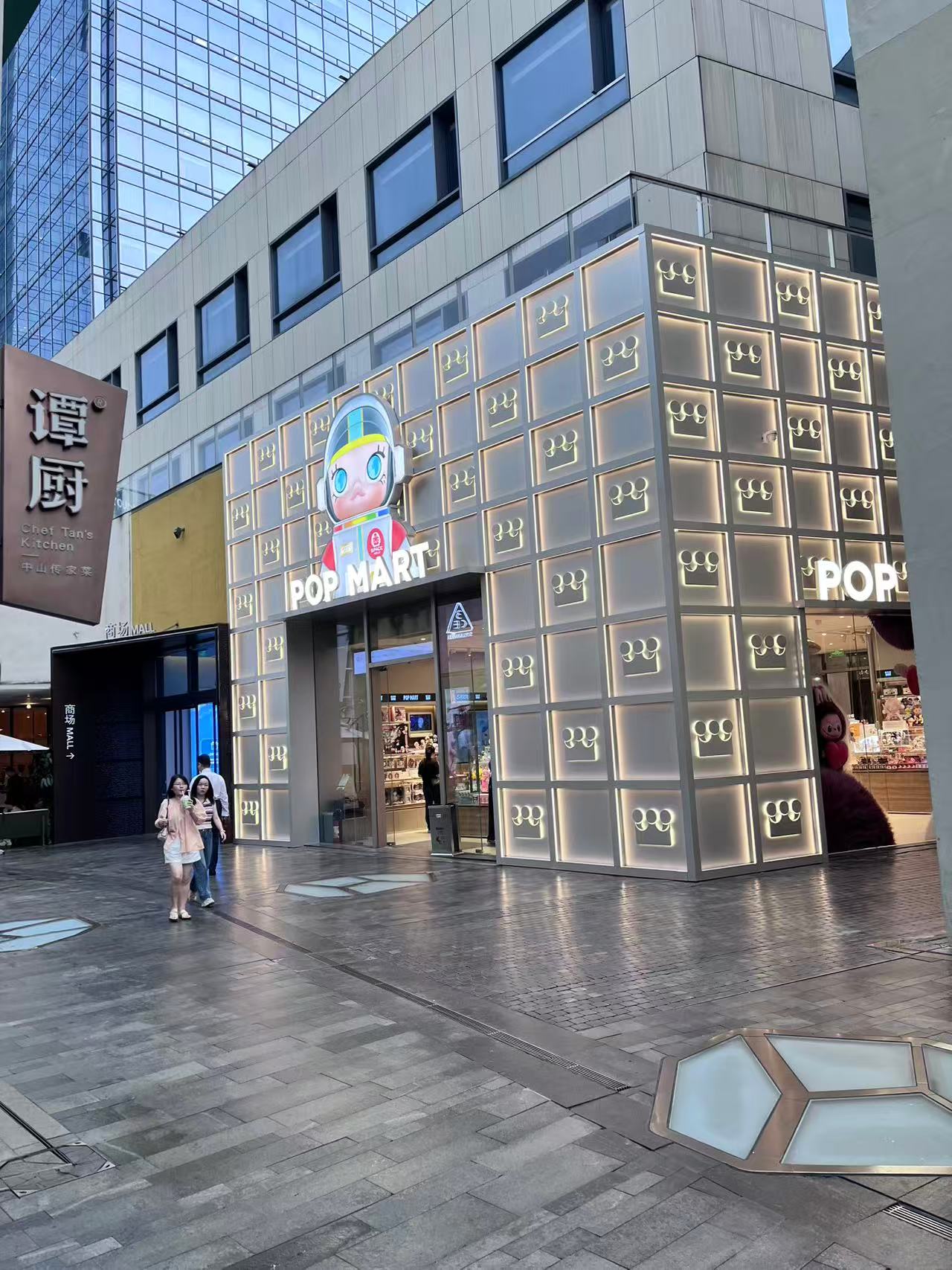
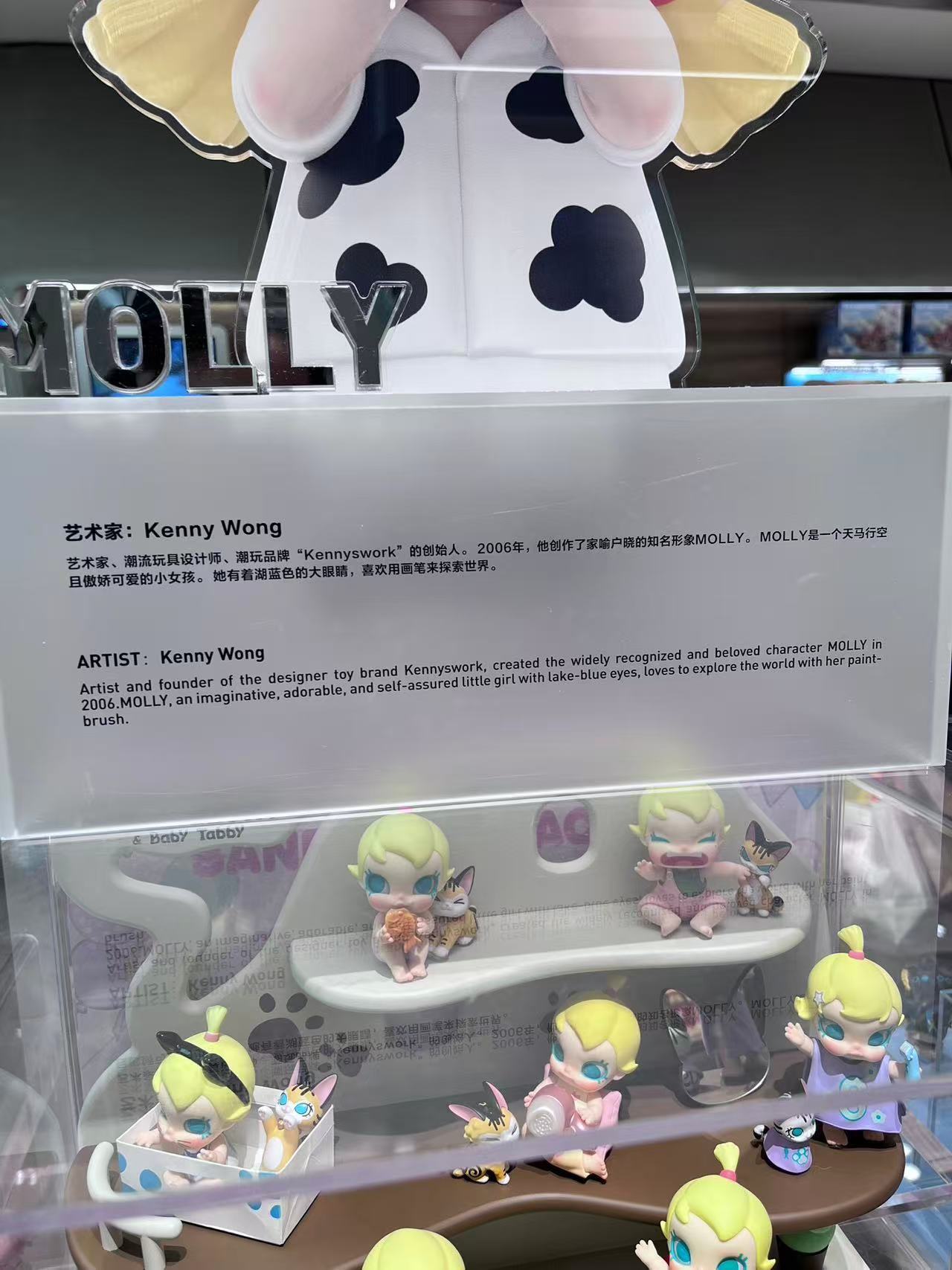
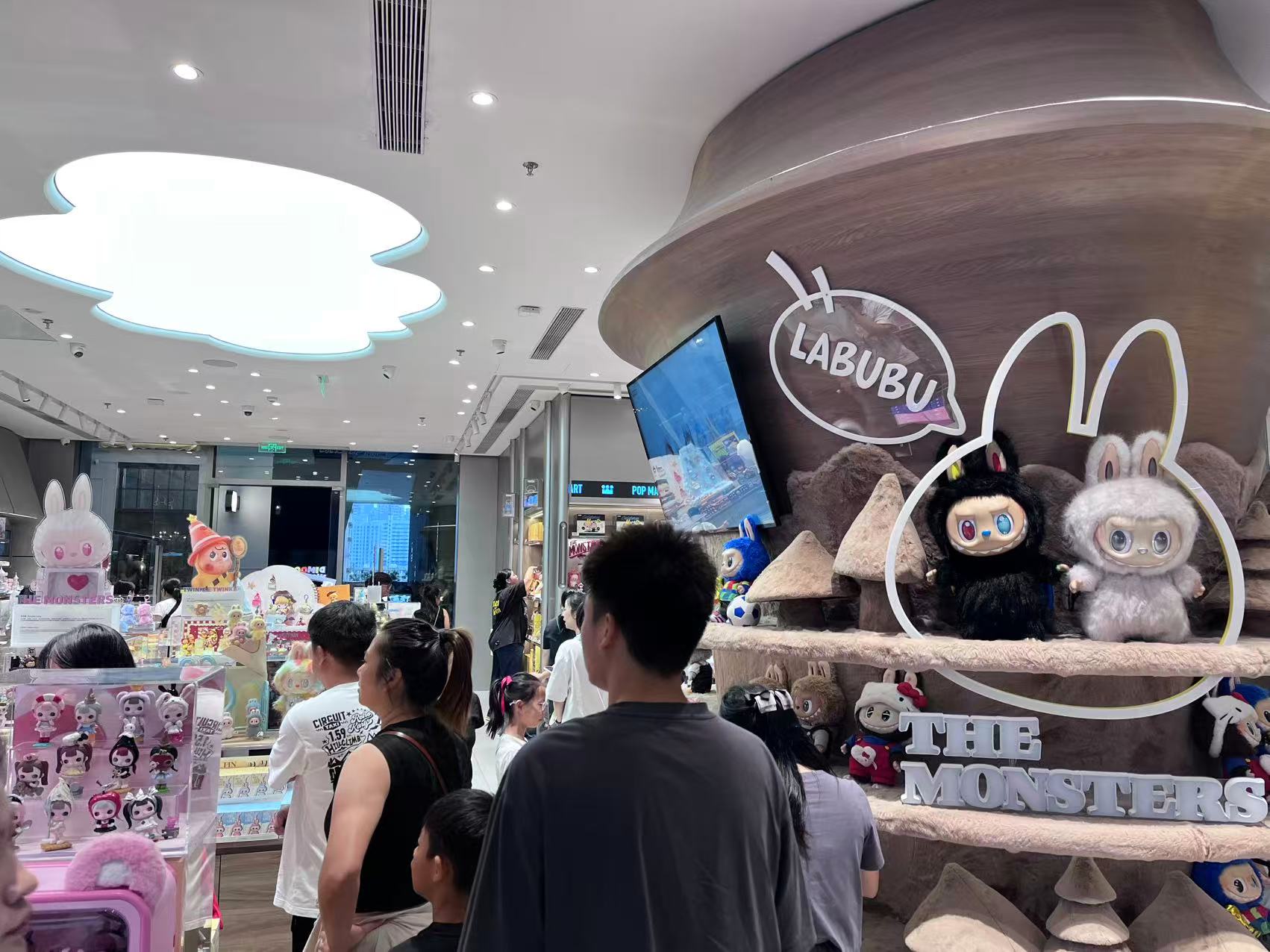
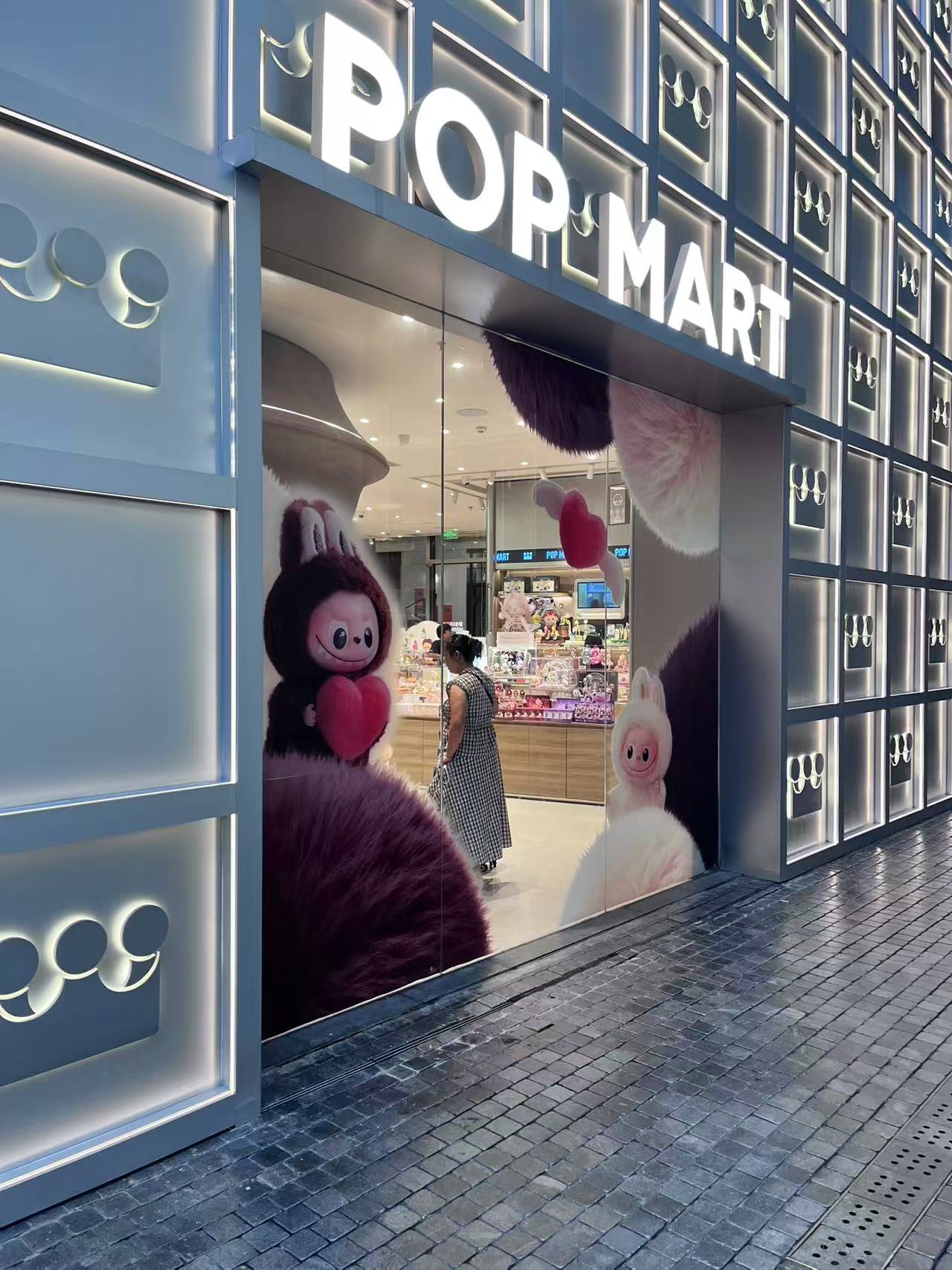
PM’s founder and CEO, Wang, aims to build a great company, and a great brand. He cites Starbucks: it is a company with personality. There’s a consistent yet meaningful brand experience. Aiming for the goal, PM is detail-oriented. It established stores in high-end fashion areas, setting a visual identity of the brand “Pop Mart”. Inside the store, every IP series is exhibited in a block, with a description of the character, and the artist. Unlike conventional retail store that sells toys, PM designs its stores like a gallery which sells art. Disney and Sanrio only have non-exclusive retail distribution. As the first company that follow this mode, PM makes its toys exquisite and characteristic, which strengthen the brand-product linkage.
People desire to own its toys because of visual attraction and character identification. Displayed in personal spaces, toys generate repeated emotional value, while each character’s unique identity supports self-expression. I expect a continuous earning power because of the global demand for pleasure and PM’s ability to match the demand, beyond art toys into IP formats like film and video games. PM’s international expansion provides substantial room for growth. In addition, PM appears capable of repeatedly developing IP as its commercial success is not confined to one franchise.
Current P/E is 14, which gives investors a reasonable room for error. Under a stress test that cut THE MONSTERS earnings by half, assuming equal margin as the rest of PM, P/E is 17.4. Therefore, valuation remains resilient despite substantial dependence.
Wang believes that people have an intrinsic pursuit of beauty, and seek companionship when material needs are mostly fulfilled. But emotional needs vary. PM needs to incubate its IPs so that they remain visible to consumers. Its demonstrated incubation capability is an economic moat, but doesn’t guarantee future performance. Secondly, PM has experienced a 35.69% employee turnover rate in 2025. Wang called 2025 the “toughest year for everyone in the company ever since the company was founded because of challenges amid rapid expansion”. Employee cohesion remains an open question.
Appendix
1. Aristarchus Pranayama Kuntjara, “Art Toy as a Tool for Engaging the Global Public on the City of Surabaya,” Creative Industries Journal 15, no. 2 (2022): 146, https://doi.org/ 10.1080/17510694.2021.1912536.
Field study of Pop Mart and Miniso:
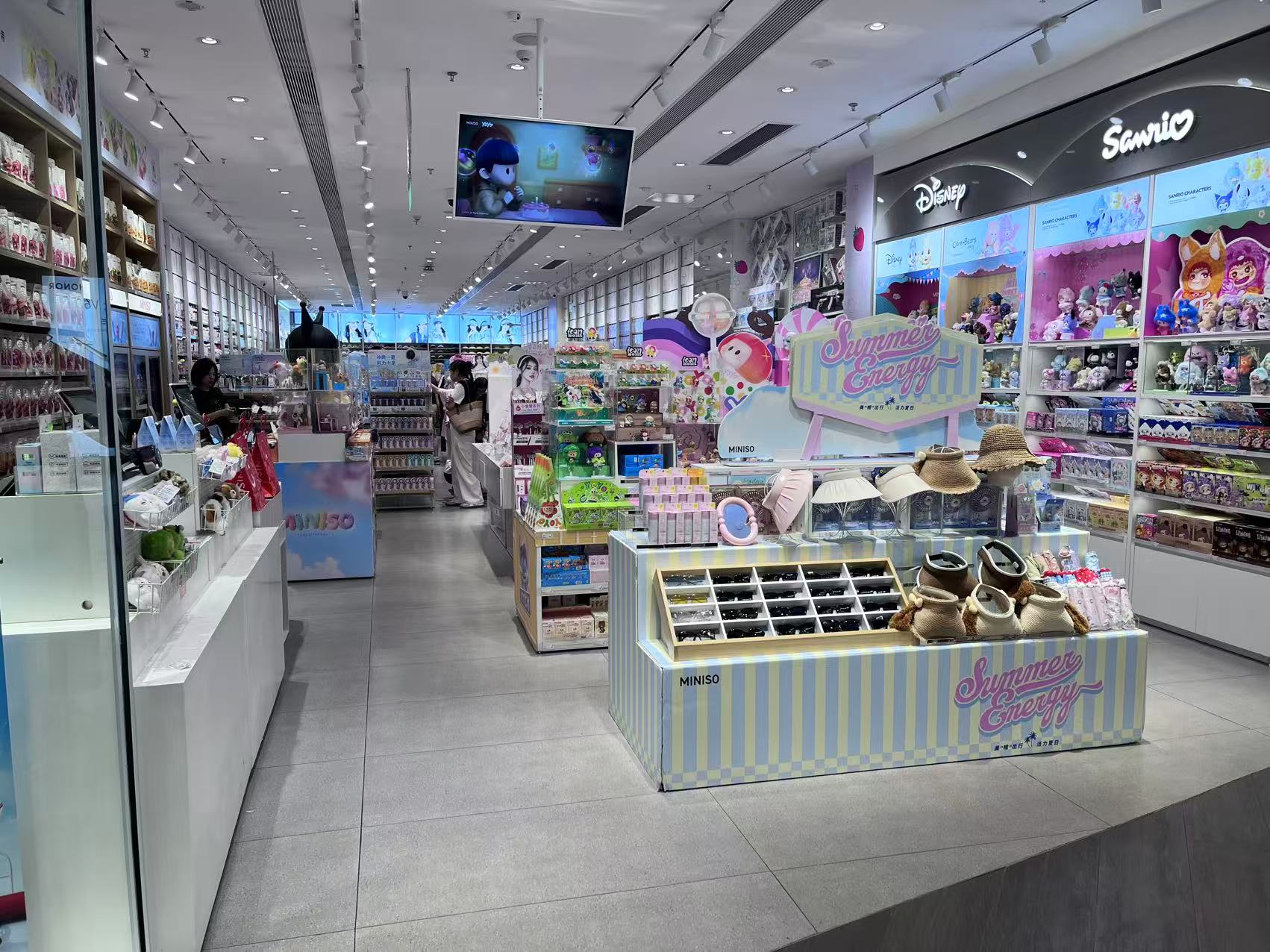
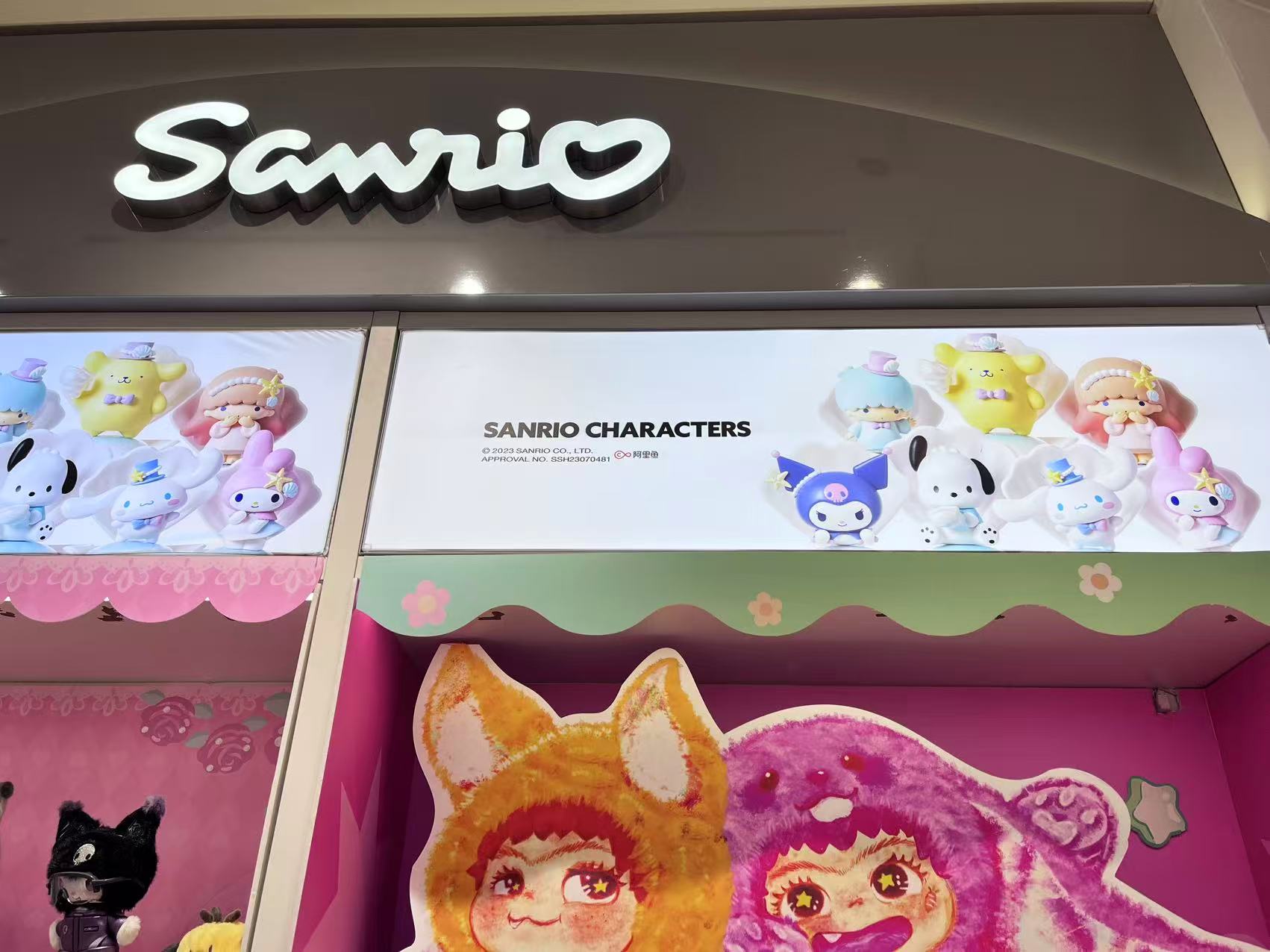
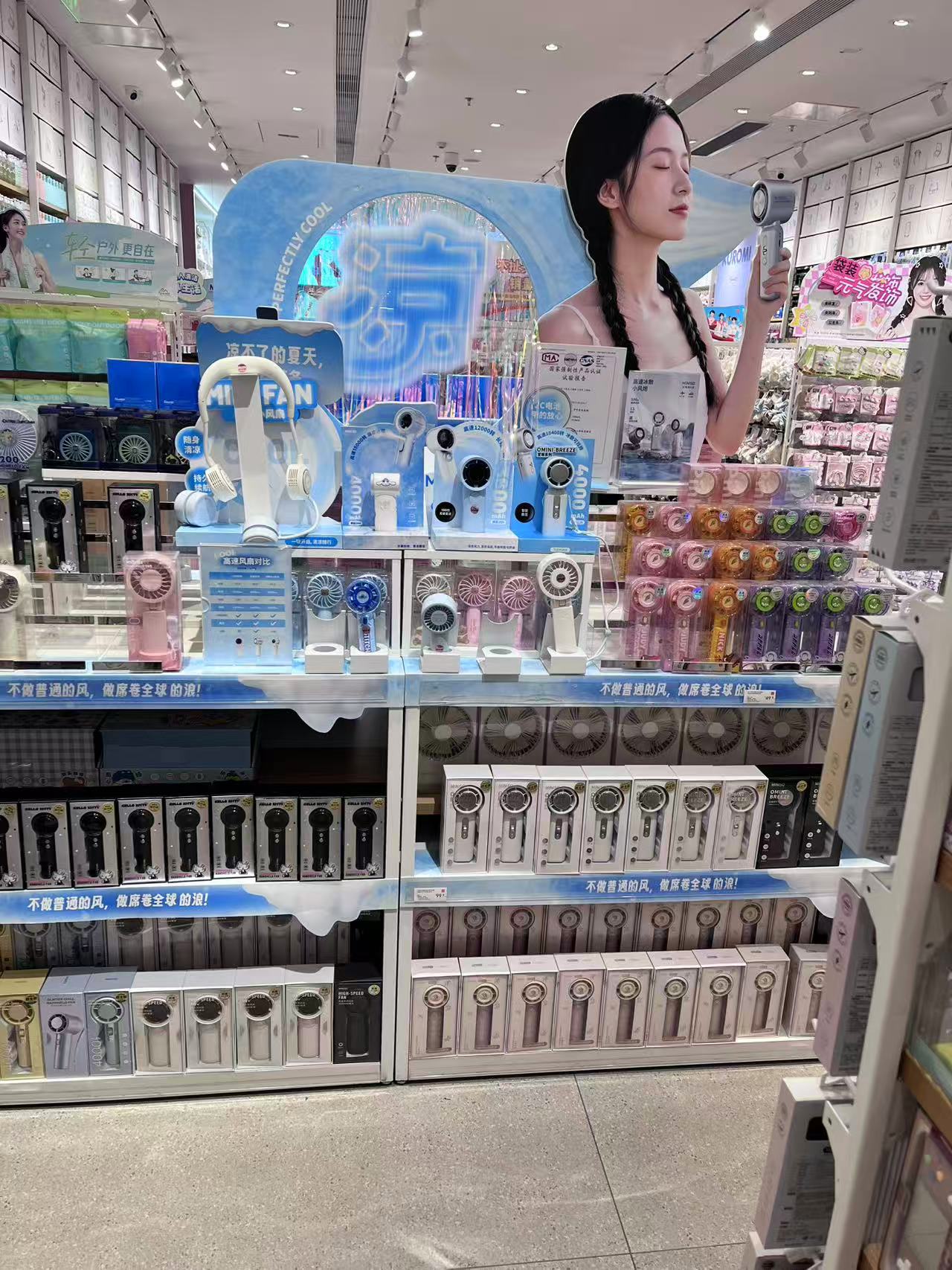
This is a Miniso store. It is a multi-category retailer. It sells toys from Sanrio and Disney, but without displaying character stories and artist profiles. The products are not exclusive to the brand, and therefore the product-brand linkage is weak. Foot traffic was light, and it was located in an ordinary retail area. Pop Mart in the same shopping center was located in a relatively high-end area, and was full of customers. Wang states that he wants to locate retail stores in upscale areas because it is consistent with a gallery experience. The London and Paris stores are located among premium retailers. Though the rent is expensive, Wang considers it worthwhile because it helps with brand building in the long run.
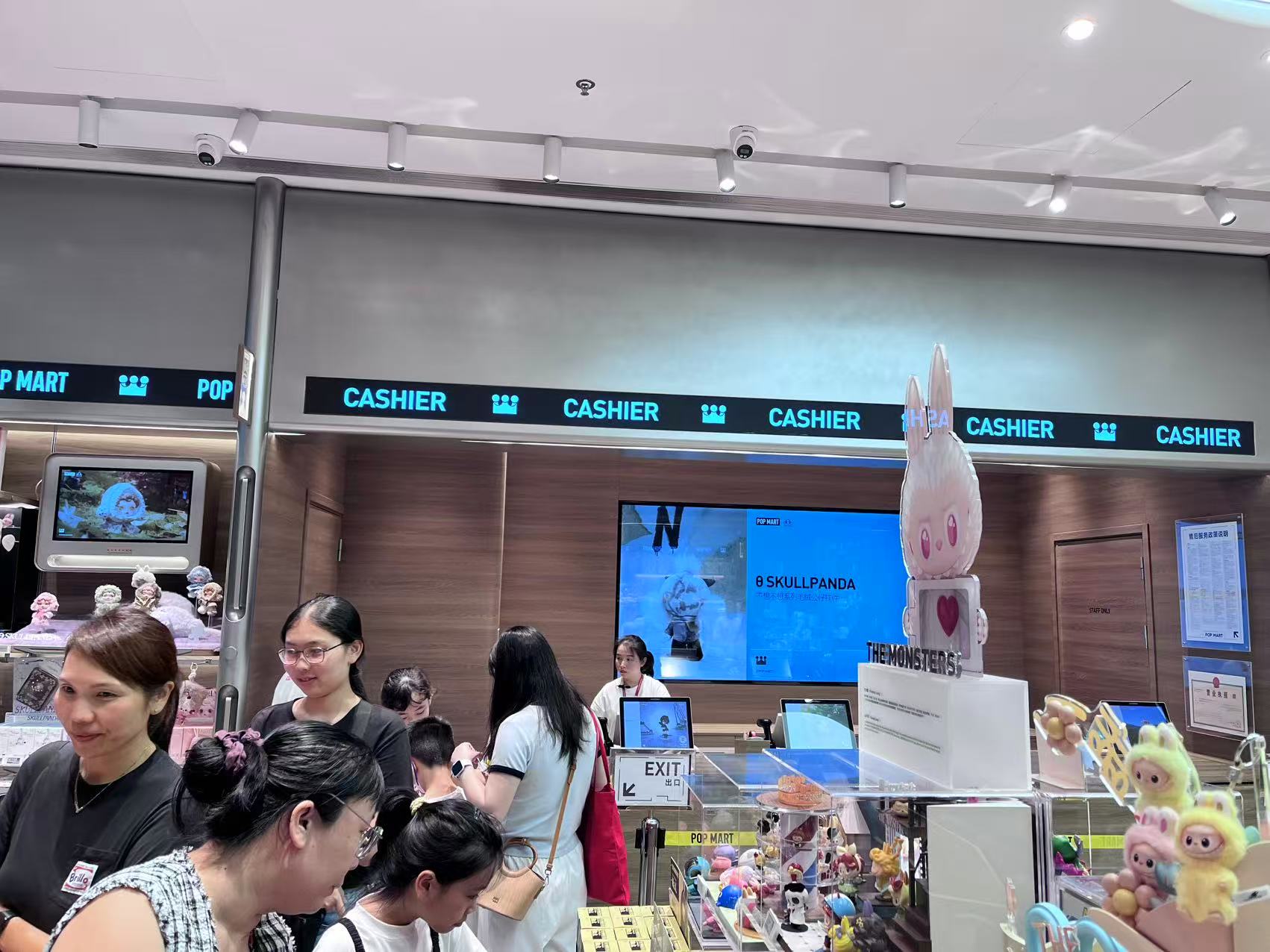
Pop Mart is markedly different. Every store I went to had a consistent and distinct visual identity. From the exterior, there was a sculptural figure that signaled the brand, and branded wall displays. It mostly sold proprietary designs. Wang emphasizes the in-store flow, which prompts customers to linger in-store. IP backstories and artist profiles emphasize artistic identity. A distinct artistic identity gives the products a more refined image, which allows consumers to signal personal taste through ownership.
When I went to a Pop Mart store located in a luxury retail area, while other stores were empty, Pop Mart was densely crowded at 8 p.m. At another location at 5 p.m., it was also full of people. This suggests that Pop Mart has a strong customer draw. My mom is a fan of collectible toys. She used to purchase products from multiple brands, but now she only wants Pop Mart because they are more appealing and distinctive. It reminds me of Apple. Apple provides a consistent visual experience across every retail location, and product design is consistent across the brand. Its products balance aesthetics and commercial practicality, and are brand-specific rather than being generic third-party merchandise. Pop Mart shares parallel features.